




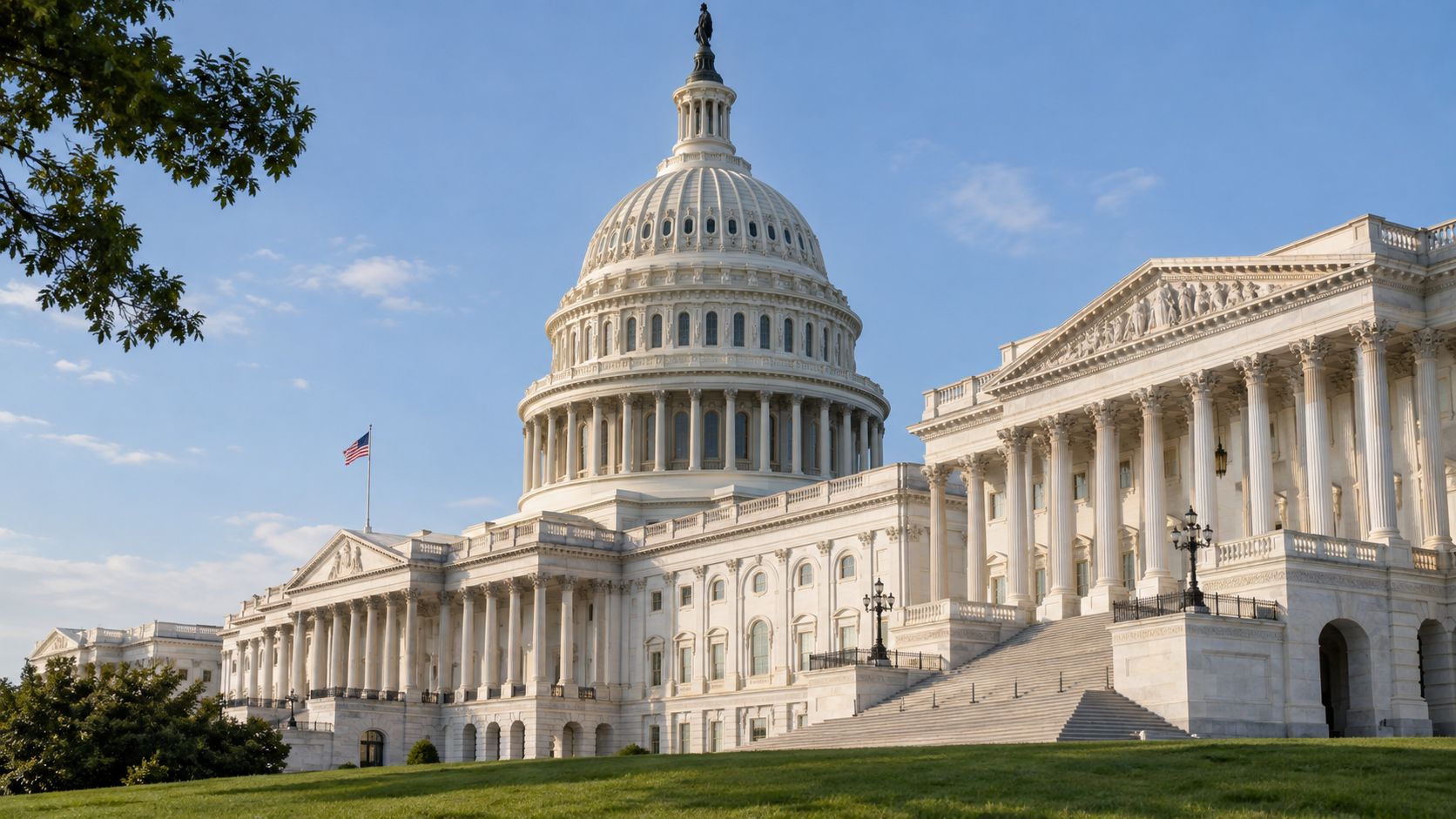
Sen. Mitch McConnell returned to Senate voting on September 14, 2026, after a three-month absence following a fall at home. The Kentucky Republican supported advancing a federal judicial nominee as he resumed work in Washington. The Associated Press reported his return, including an appearance before reporters outside the Senate chamber.
His first vote came on Matthew Byrne’s nomination to the U.S. District Court for the Southern District of Ohio. WKYT reported that McConnell voted in favor. The Senate Press Gallery recorded a 47–46 result to limit debate on the nomination, moving it toward a separate confirmation decision. The gallery recorded the outcome at 6:35 p.m. Eastern.
McConnell resumes voting while continuing therapy
The senator’s return followed a gradual transition from institutional care to recovery at home. In an August 6 statement reproduced by WKYT, he announced that he had left a rehabilitation center. He said doctors had advised continued intensive physical therapy during the Senate’s state work period and that he would remain engaged with staff and colleagues on Senate business.
Before Monday’s vote, McConnell said recovery had proved difficult and that the lingering effects of childhood polio had complicated the process. He said he was continuing physical therapy on medical advice. His commitment to Republican leader John Thune was to try to attend difficult votes when the conference needed him, according to the statement reproduced by WKYT.
That account describes his own recovery and intended attendance; it supplies no fixed timetable for a full schedule. Reuters reported that he addressed reporters from a wheelchair, then entered the chamber to vote. In those remarks, he identified farm legislation among the work he wanted to pursue during the remainder of this Congress.
What the 47–46 vote accomplished
Monday’s decision concerned cloture, the Senate procedure for limiting debate so a question can move toward a vote. The Senate’s procedural history explains that nominations can advance under a simple-majority threshold. The familiar 60-vote requirement for ending debate on most legislation therefore does not describe this judicial nomination vote.
The distinction follows changes made by both parties. Democrats lowered the threshold for ending debate on lower-court nominations in 2013; Republicans extended the majority threshold to Supreme Court nominations in 2017. The Senate’s account of judicial nominations documents those changes. Byrne’s nomination is for a district court, placing it in the lower-court category affected by the earlier change.
The Press Gallery described Monday’s result as a party-line vote and listed seven senators who did not vote. With the two sides separated by one vote, attendance was immediately relevant to the count. McConnell participated in that closely divided decision. The listed absentees were Coons, Cramer, Marshall, Murkowski, Risch, Schmitt and Tillis.
Judicial appointments carry consequences beyond the Senate
The president selects federal judicial nominees, while the Senate decides whether to consent to their appointments, as the Senate’s nominations guide explains. District courts serve as federal trial courts: they determine facts and apply the law to disputes, according to the U.S. Courts’ explanation of court structure.
Their rulings can also become the subject of urgent appeals. A separate example is the USPS mail-ballot litigation covered by The Civic Wire. The Supreme Court docket records its September 14 refusal to suspend a district court’s preliminary injunction. That case illustrates the review process; it is separate from Byrne’s nomination and Monday’s vote.
The next scheduled decision
McConnell returns under a different Republican leadership structure from the one he directed for years. The Senate’s official leadership list records his service as Republican floor leader from 2007 through the beginning of 2025, across periods in both the minority and majority. Thune is now majority leader.
As checked on September 15 before the Senate convened, the Press Gallery’s schedule placed Byrne’s confirmation vote at 11:15 a.m. Eastern that day. That is the next recorded step for the nomination McConnell helped advance. The published schedule also listed a 2:15 p.m. procedural vote on taking up the Digital Asset Market Clarity Act.