



Ukraine is prepared for an energy truce if Russia stops attacking its energy infrastructure, President Volodymyr Zelensky said after meeting U.S. President Donald Trump at the United Nations in New York on September 22. AFP reported that Zelensky said he did not know Moscow's position on the proposed arrangement.
The discussion lasted 40 minutes, according to Reuters. Zelensky told reporters afterward that the two sides had discussed an energy ceasefire and ending the war, but had not discussed Ukraine halting strikes on Russian refineries unilaterally. His account set out Ukraine's negotiating position, without announcing a reciprocal agreement.
Earlier on September 22, Kremlin spokesman Dmitry Peskov had rejected temporary ceasefire proposals, saying Russia sought a lasting settlement instead. EFE's report of his daily telephone briefing supplies a public Russian position preceding the completed meeting. It does not establish how Moscow would respond to any terms subsequently conveyed by Washington.
What the energy truce proposal covers
Zelensky said the proposed pause would cover energy infrastructure, including oil and diesel refineries, according to the Kyiv Independent. He said the American side would share the proposal with Russia. That leaves the energy truce dependent on reciprocal commitments, while further diplomacy concerns the broader war.
The meeting followed a September 20 telephone call. In its account of that call, Ukraine's presidency said the leaders agreed to meet in New York and identified energy security, food security and protecting human life as subjects for de-escalation. Zelensky also thanked Trump for an earlier Kyiv visit by American envoys Steven Witkoff and Jared Kushner, during which they examined details of the diplomatic effort and saw conditions in Ukraine firsthand.
After the New York meeting, Zelensky described the encounter favorably in a social-media statement reported by AFP. He said both countries wanted the war to end before winter and that he and Trump discussed measures that could make diplomacy possible. Those remarks placed the energy truce within a wider attempt to restart negotiations.
Winter support alongside an energy truce
The immediate military needs and longer-term production plans were separate parts of the discussion. The Kyiv Independent reported Zelensky's assessment that Ukraine urgently needs air-defense ammunition, particularly U.S.-made Patriot interceptors, for winter. He said a production license would serve Ukraine's future needs rather than provide immediate relief.
Zelensky said he had received neither a refusal nor a concrete delivery promise for the coming winter. Before their private conversation, Trump expressed confidence that an agreement was possible but made no commitment on Patriot production in Ukraine. These public accounts distinguish the energy truce discussion from a completed weapons-delivery arrangement.
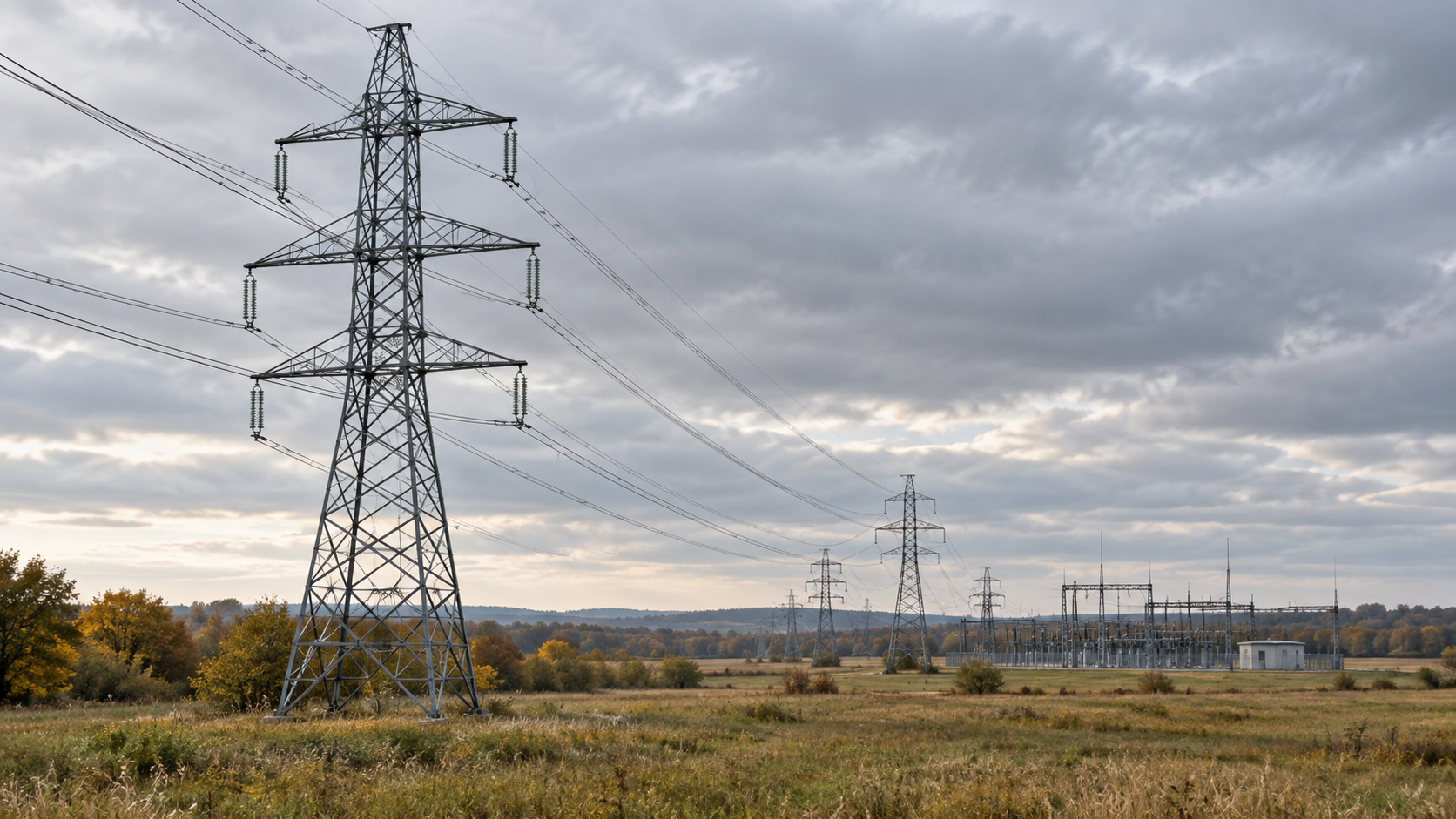
The vulnerability of energy supplies was visible in another September 22 report. EFE said Ukraine's state oil and gas company, Naftogaz, reported critical damage at a facility in the central Poltava region following a Russian missile attack. The company said the site had already stopped operating after earlier attacks and that the latest damage made restoration practically impossible. That assessment is the company's account.
Further talks remain a separate step
Zelensky also said he was ready for a three-way meeting with Trump and Russian President Vladimir Putin, Reuters reported. He hoped Washington would find a way to bring Moscow into negotiations. This was an expression of readiness to participate, with no agreed meeting date or confirmed Russian attendance announced in that account.
Before the leaders met, Reuters described Ukrainian concerns that heating and power facilities would face further attacks over winter. The proposed energy truce addresses that immediate concern, while the broader negotiations would have to address ending the war.
The distinction between a leader's account and an established agreement follows The Civic Wire's editorial standards.