




A federal judge declined on September 21 to temporarily block the SpaceX land swap in South Texas. U.S. District Judge Fernando Rodriguez Jr. denied a preliminary injunction; his order did not finally decide the lawsuit challenging the exchange. The denial left the transaction without that requested court restraint. Read the order.
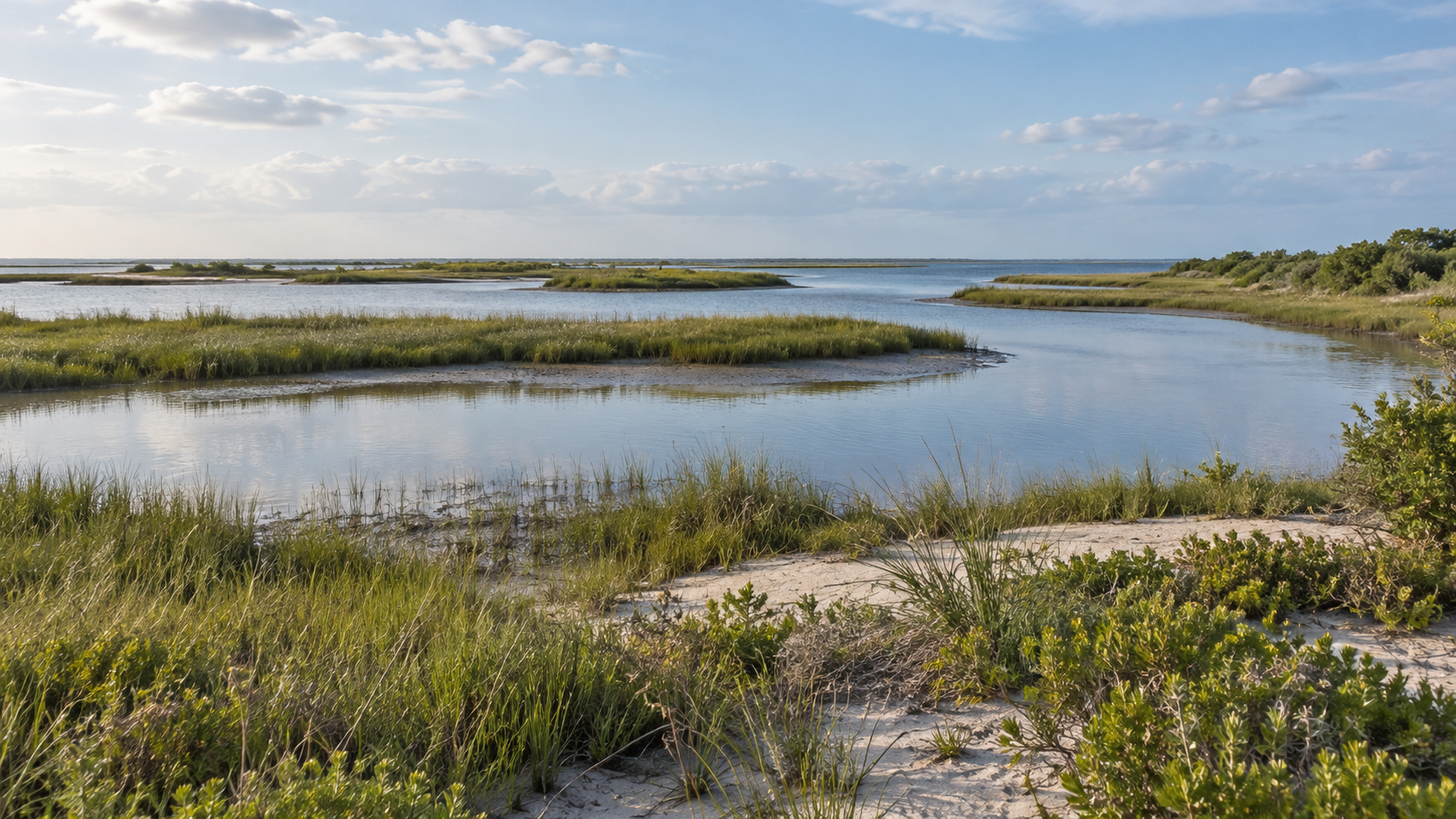
The U.S. Fish and Wildlife Service's final decision specifies 715 acres of federal refuge land going to SpaceX in return for 683 privately owned acres. Its environmental finding describes incoming marsh, prairie, thornscrub, wetlands and shoreline habitat. The final SpaceX land swap figures differ from those in the earlier draft proposal.
What the SpaceX land swap ruling decides
Rodriguez found the plaintiffs had not shown a substantial likelihood of standing or imminent, irreparable injury. The order recognized an interest in observing wildlife from adjoining land, but found inadequate evidence of immediate harm from the planned development. It also weighed the competing public interests against an injunction.
According to the order, SpaceX intends to seek local approvals for expanding its Massey Test Site and building a service road. The company argued that delay would hinder its plans. These are proposed activities, not a finding that construction has begun.
The refuge's conservation argument
The agency's project explanation places the SpaceX land swap within a broader problem of fragmented ownership. The 103,000-acre Lower Rio Grande Valley National Wildlife Refuge spans four South Texas counties. Private holdings interrupt the Boca Chica Tract, which borders SpaceX's launch and manufacturing facilities. That pattern makes the boundaries between conservation and development central to the agency's reasoning.
FWS says consolidation can connect habitat, simplify management and reduce disputes along property boundaries. It also identifies costs associated with maintaining boundaries, addressing trespass and coordinating access. Its rationale is therefore about the location and conservation quality of parcels, not simply whether the federal government receives more acres than it transfers.
For the SpaceX land swap, the agency argues that land already exposed to nearby industrial activity can be exchanged for habitat more suitable for protection. Those are the agency's assessments of expected benefits. They do not establish that wildlife populations have improved or that future development will be harmless.
The Justice Department's September 22 response endorsed the transaction. Principal Deputy Assistant Attorney General Adam Gustafson said it would benefit conservation and national security, linking SpaceX's acquisition to its work for NASA and the Air Force. The department represents the federal government's position in the dispute.
Cultural protections and continued opposition
The plaintiffs are the Center for Biological Diversity, Save RGV, Carrizo/Comecrudo Nation of Texas, Inc., and South Texas Environmental Justice Network. SpaceX joined the federal case as an intervenor.
The environmental finding acknowledges that transferring parcels within the Palmito Ranch Battlefield National Historic Landmark constitutes an adverse effect under federal historic-preservation law. For the SpaceX land swap, FWS relies on mitigation commitments in a May 11 agreement involving the agency, Texas Historical Commission, National Park Service and SpaceX.
Listed protections include limits on development around White's Ranch, archaeological monitoring during ground disturbance in loma areas, and a viewing platform with battlefield interpretation. The finding concludes that an environmental impact statement is unnecessary with the prescribed measures. That conclusion includes mitigation; it does not erase the document's recognition of historic-resource impacts.
The agency received more than 25,000 comments during the March review period, most opposing the proposal. Most were form letters, the finding says; the total should not be read as unique participants.
The Associated Press reported that Center for Biological Diversity spokesperson Laiken Jordahl said the challenge would continue. He emphasized the land's spiritual, historical and conservation importance and criticized its transfer into private ownership. The opposition to the SpaceX land swap therefore continues despite the failure to secure preliminary relief.
The court described a planned September 22 title transfer. The Civic Wire has not verified its completion or a subsequent appeal or stay. Those developments require separate confirmation. Our editorial standards explain the distinction between documented decisions, attributed claims and unresolved questions.